
2023
Abu Dhabi, UAE
Integral Global (IG), in collaboration with Sandia National Laboratories (SNL), supported 15 Lebanese participants to attend the Middle East and North Africa Toxicology Association (MENATOX) Conference, held February 8-11 in the United Arab Emirates (UAE). IG’s chemical, radiological, and toxicology team collaborated with SNL to host side events for the Lebanese, focused on toxidrome recognition and action planning sessions. To support SNL, IG conducted outreach to identify 15 participants for the conference and side events, led the logistical support process (e.g., visa requirements, venue arrangements), instructed on using the Recognition and Initial Management of Illness Clusters (RIMIC) course, and assisted SNL in facilitating next steps and action planning discussions.
2025
Larnaca, Cyprus
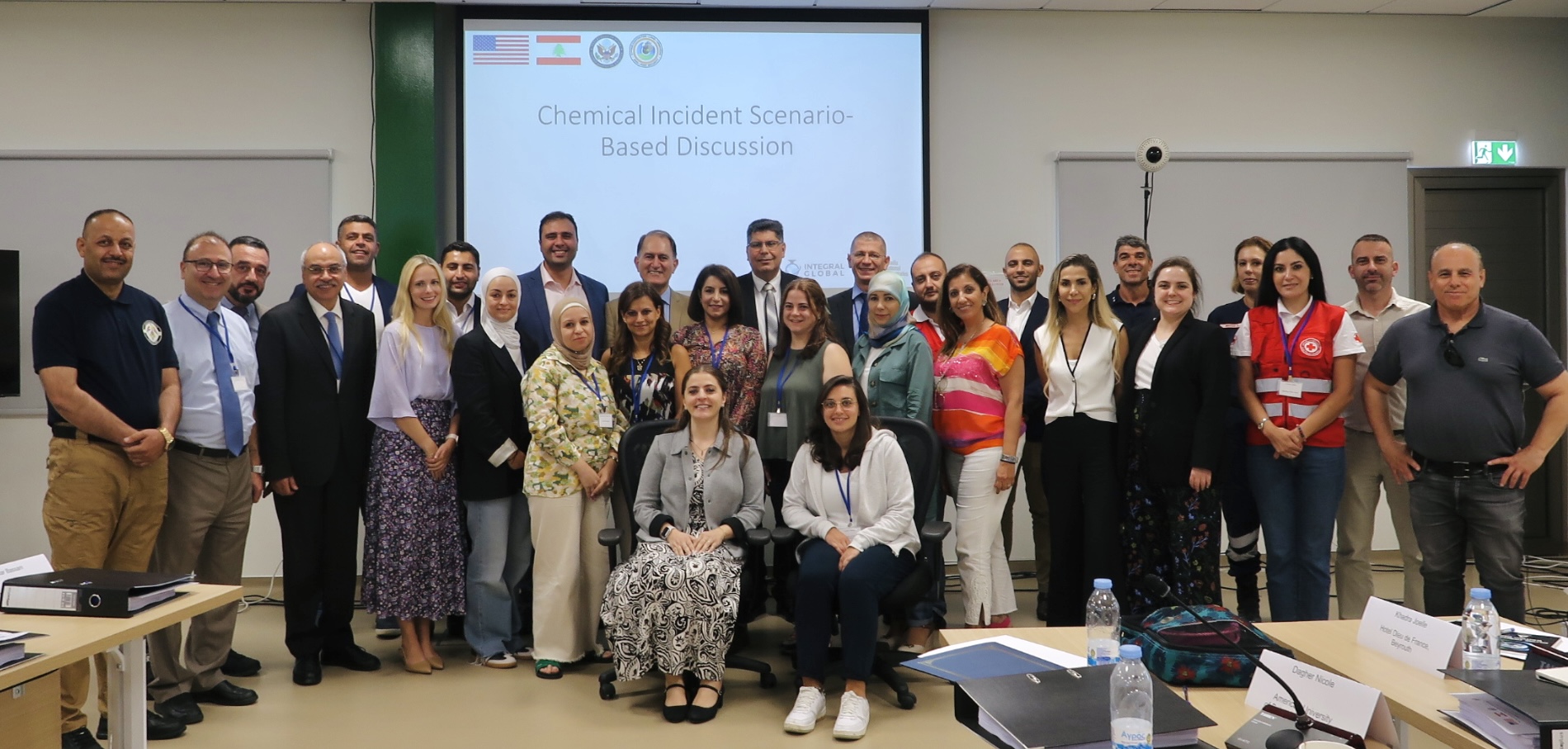
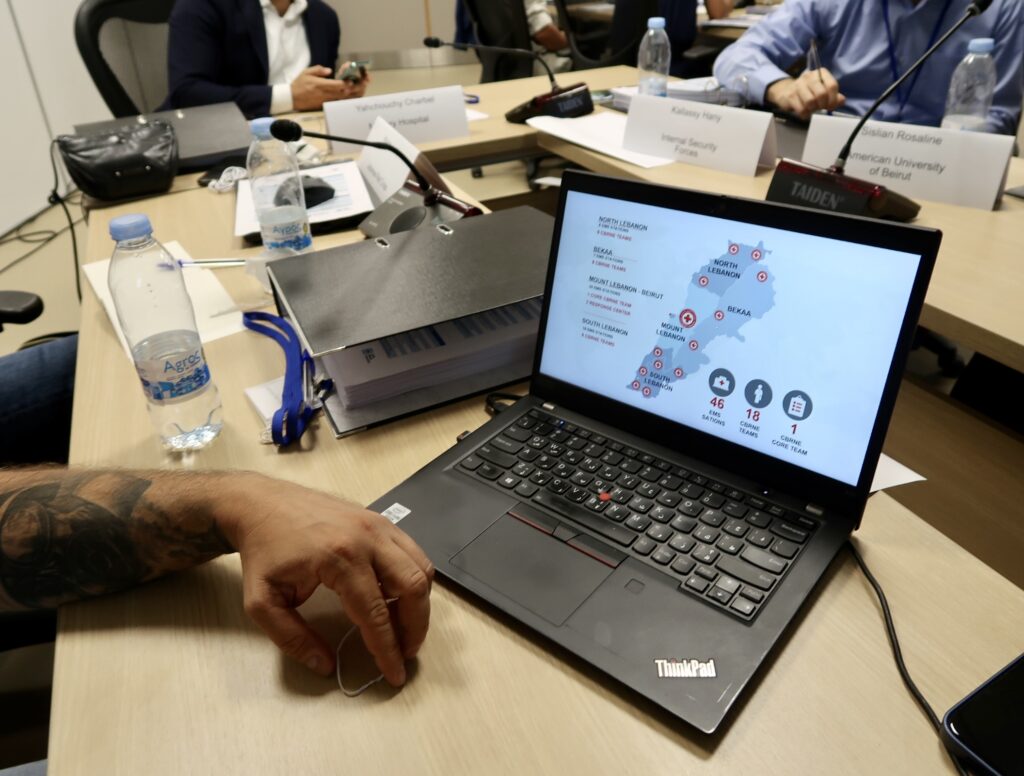
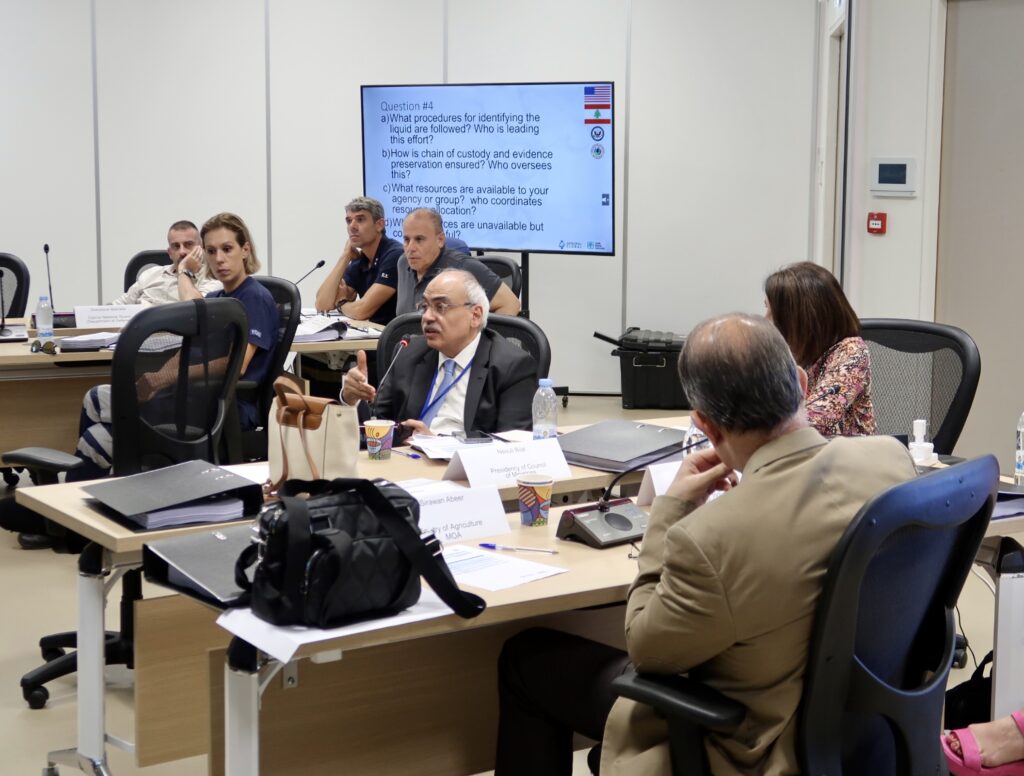
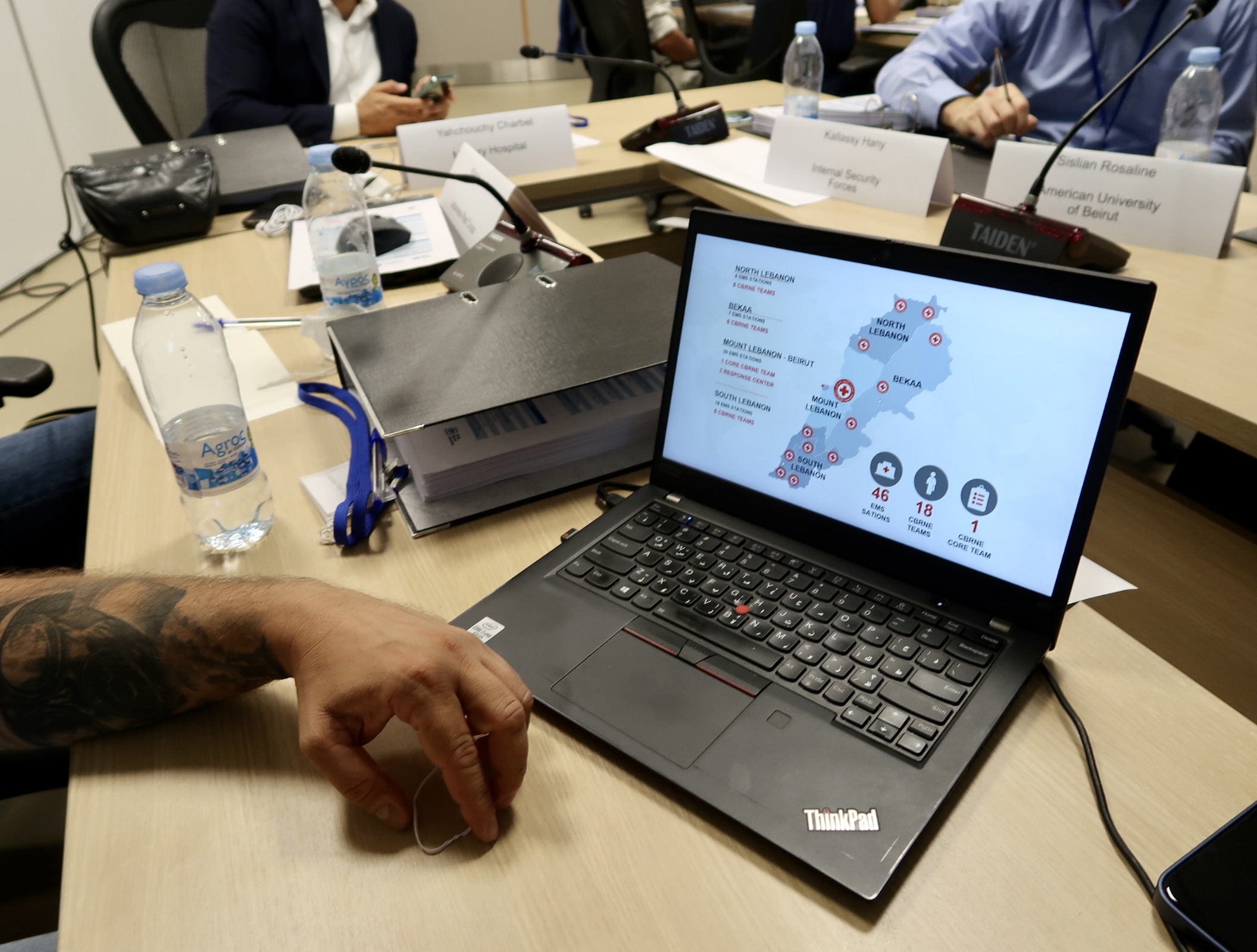
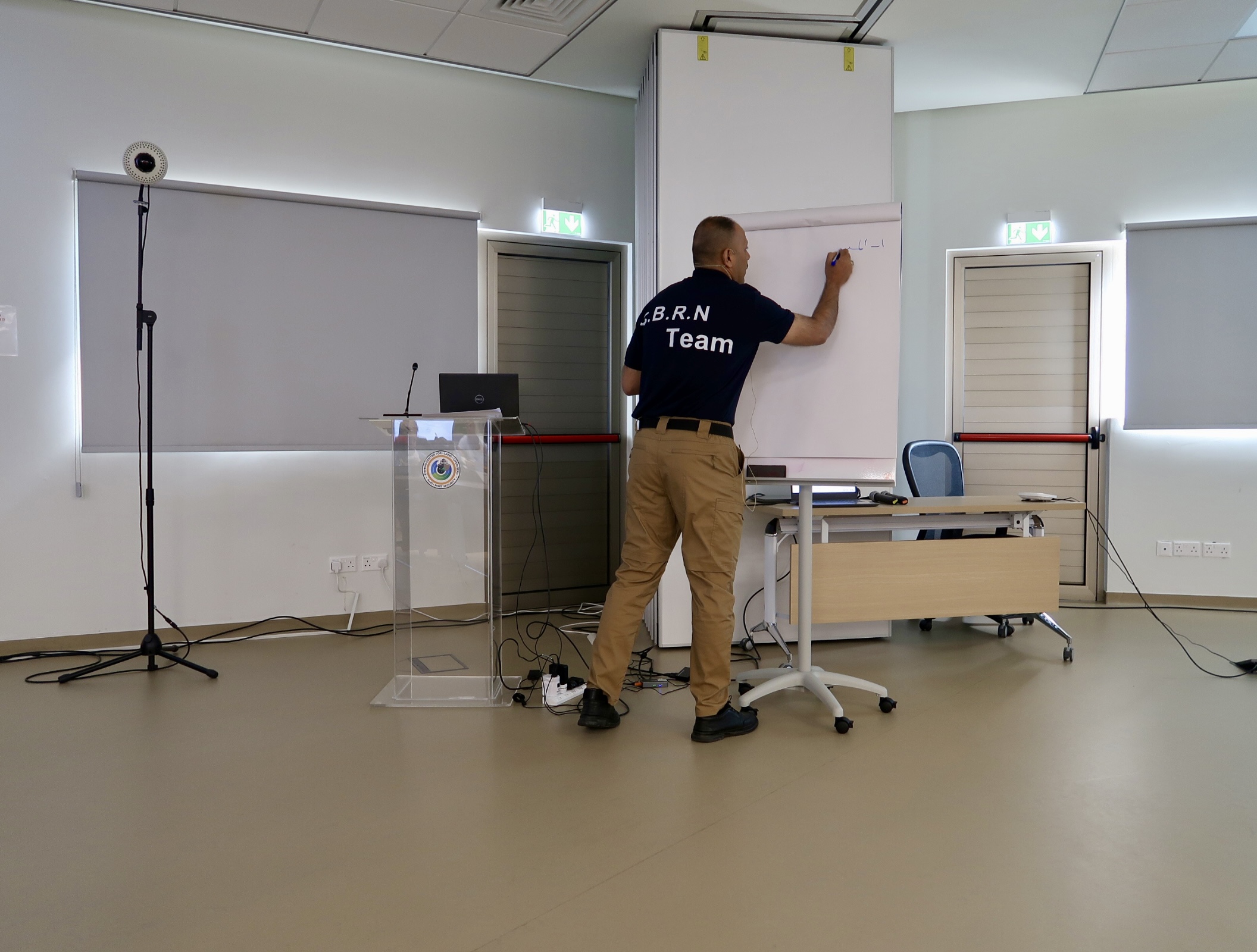
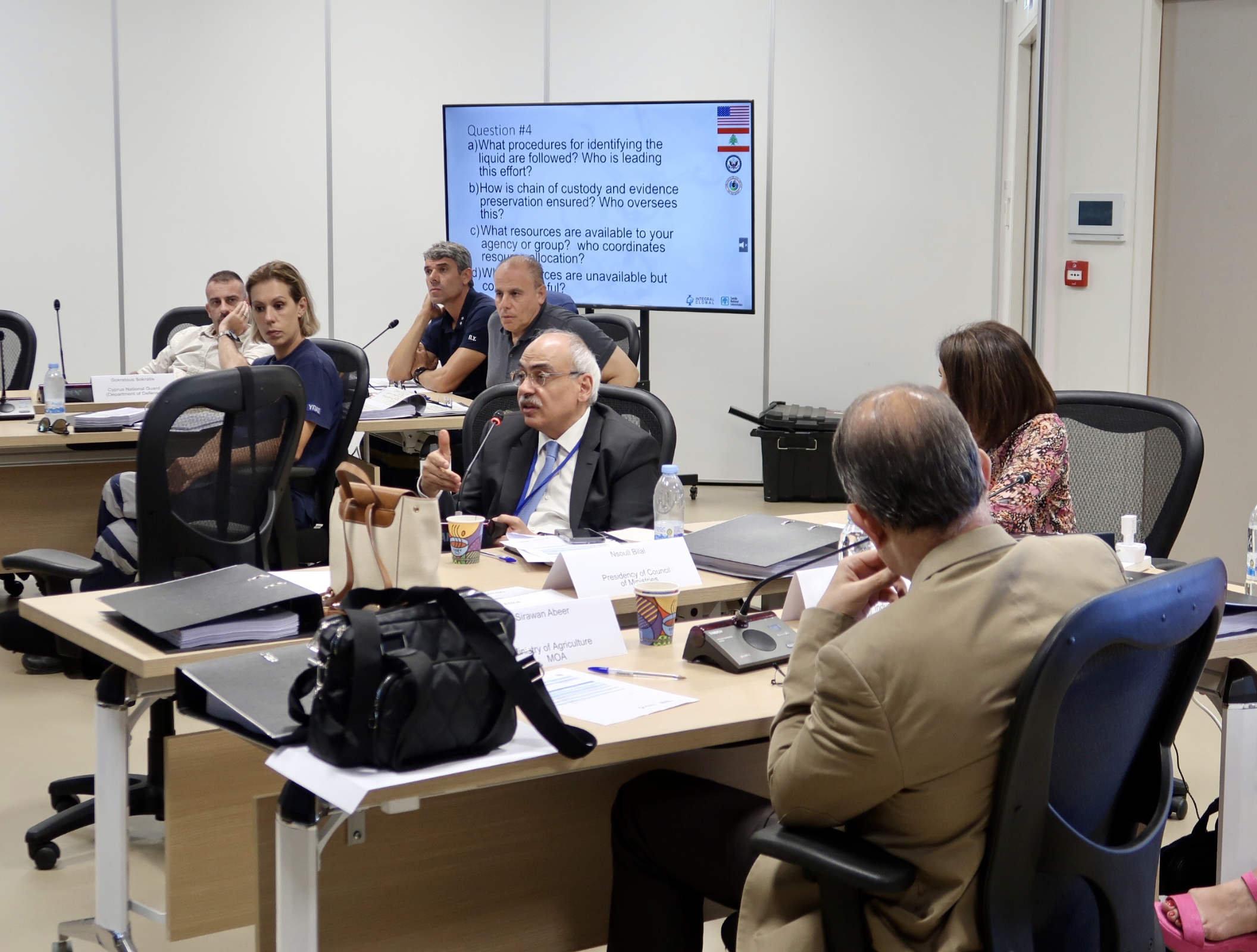
IG will be supporting an essential project aimed at enhancing chemical incident response capabilities in Lebanon. This initiative involves a comprehensive 2-day training program designed for at least 20 Lebanese professionals, including lab technicians, emergency responders, clinicians, and public health officials. The training will focus on the response, diagnosis, and laboratory confirmation of exposures to hazardous chemicals, including single-use chemicals, dual-use chemicals, and toxic industrial chemicals.
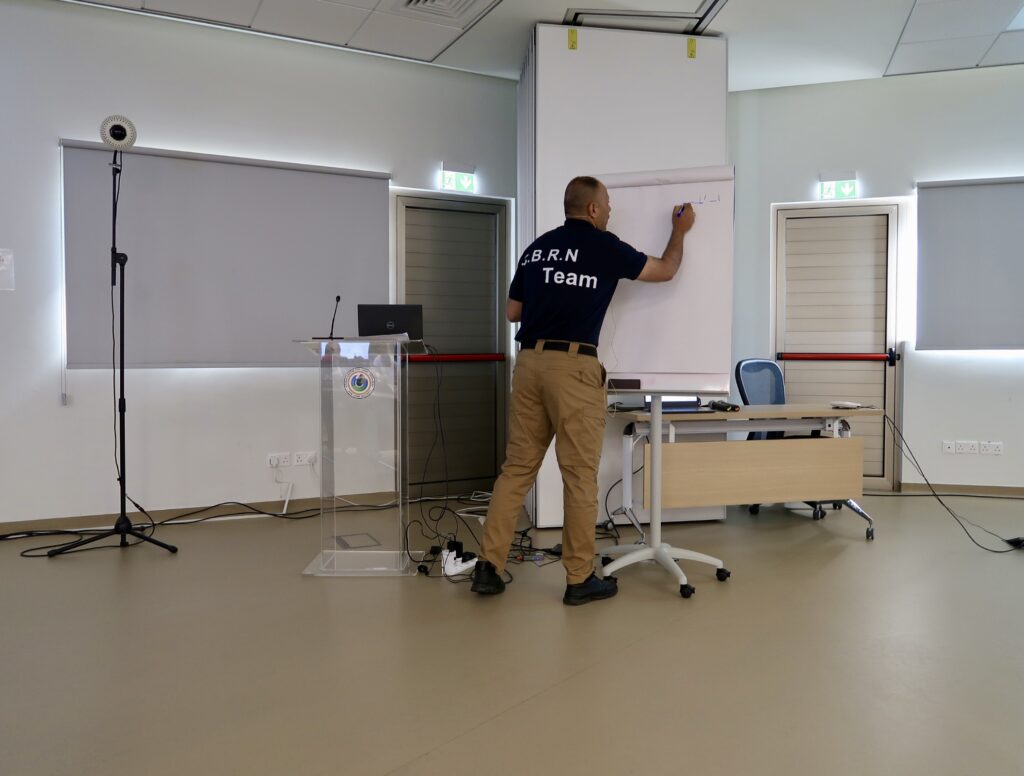
The training will cover the physical and chemical properties, toxicity characteristics, clinical manifestations, sample collection, diagnostic testing, and management of chemical exposures. Participants will engage in scenario-based discussions to simulate a chemical incident, develop response strategies, and create a standard operating procedure (SOP) for handling environmental and clinical samples after an unknown chemical incident.
To ensure the long-term impact of the project, participants will be equipped to serve as future trainers. They will receive comprehensive training materials to aid in disseminating the knowledge gained during the course to other professionals in their respective fields. Through this project, IG aims to strengthen Lebanon’s preparedness and response capabilities to chemical incidents, ultimately enhancing public health and safety.
2026
Larnaca, Cyprus
IG, in collaboration with Emory University’s School of Medicine, will conduct a three-phase project, including remote master trainer development sessions and a three-day in-person workshop to train Lebanese first responders, toxicologists, and emergency medicine physicians to identify and respond to low-effort biological and chemical weapons attacks. For this project, IG will tailor the Recognition and Initial Management of Illness Clusters (RIMIC) course. In Phase I, IG will develop master trainers using a Training-of-Trainers (ToT) approach. These master trainers will be developed through remote ToT sessions, which will focus on how to become a master trainer and train peers to identify, treat, and report biological and chemical weapons incidents; implement the RIMIC course using the Lebanon-specific RIMIC curriculum; and conduct a tabletop exercise (TTX). IGC will then conduct a training for Lebanese first responders, toxicologists, and emergency medicine physicians that includes the one-day Lebanon-specific RIMIC course, followed by a one-day TTX series including a low-effort biological weapons scenario and a chemical weapons attack scenario, with response team roles emphasized (e.g., identification, response, reporting, and attribution). Lastly, IG will discuss sustainability for the master trainers and participants. Master trainers will share lessons learned and challenges identified during the training and TTXs. The group will discuss the next steps, future ToT opportunities related to chemical and biological security, and creating a network to support continued participant communication.